Granada's flamenco story
Flamenco, Lorca and Falla
How a composer and a poet staged a deep-song contest in Granada in June 1922, and why the city's name is tied to flamenco's most serious song.
Reserve your seat ↗Quick answer
The Concurso de Cante Jondo was a deep-song contest held in Granada in June 1922, in the grounds of the Alhambra and promoted by the composer Falla and the poet Lorca. It aimed to revive and purify cante jondo. The contest did not change flamenco overnight, but it raised the art's standing and gave Granada a place in its history.
A contest for deep song
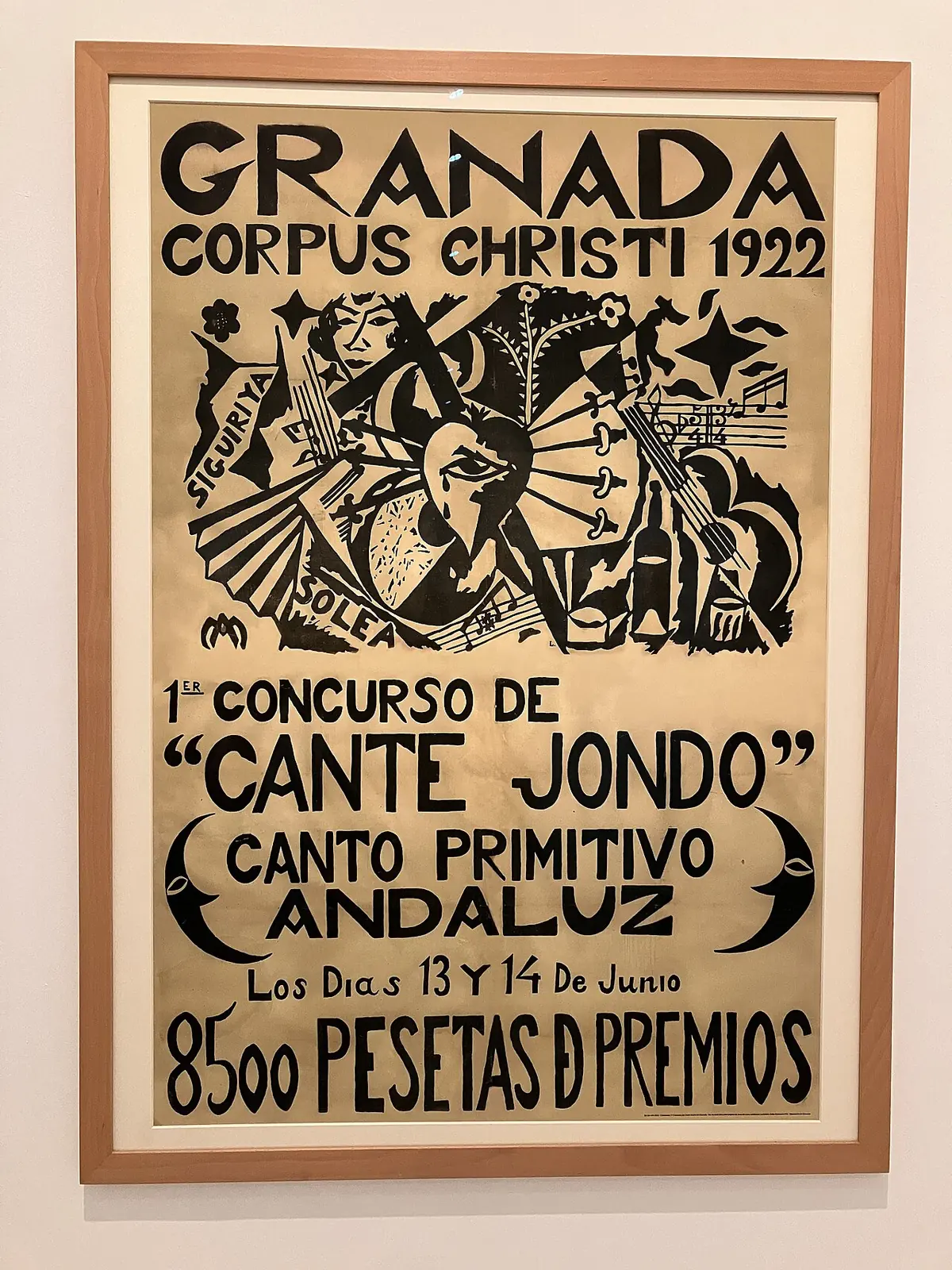
Cante jondo means deep song, the most serious branch of flamenco singing. Wikipedia says the Concurso de Cante Jondo was held over two evenings during the Corpus Christi holiday, on 13 and 14 June 1922, in Granada. Manuel de Falla was its principal organiser, and Federico García Lorca was the next most active promoter. Its aim was to revive cante jondo and set it apart from commercial flamenco.
Where it was held
The contest took place in the grounds of the Alhambra, at the Plaza de los Aljibes. Wikipedia says the plan began at the Albaicín's San Nicolás square and moved to the Alhambra because the larger space should attract more people. Two hills that face each other across the valley, one holding the palace and the other the old quarter, were both part of the plan. For the audience, it meant the contest was part of the Alhambra's own setting, which was a big draw for a festival that wanted to be taken seriously.
Who judged and who won
The singer Antonio Chacón presided over the jury, which included other leading names of the art. Prizes were reserved for amateurs: professionals over 21 could not compete for the money, because the organisers wanted to find unrecognised talent. Among the winners, Wikipedia names Diego Bermúdez, known as El Tenazas, and a boy who later became known as Manolo Caracol. The jury and the prize rules both reflect that aim of finding talent outside the profession.
Falla and Lorca in Granada
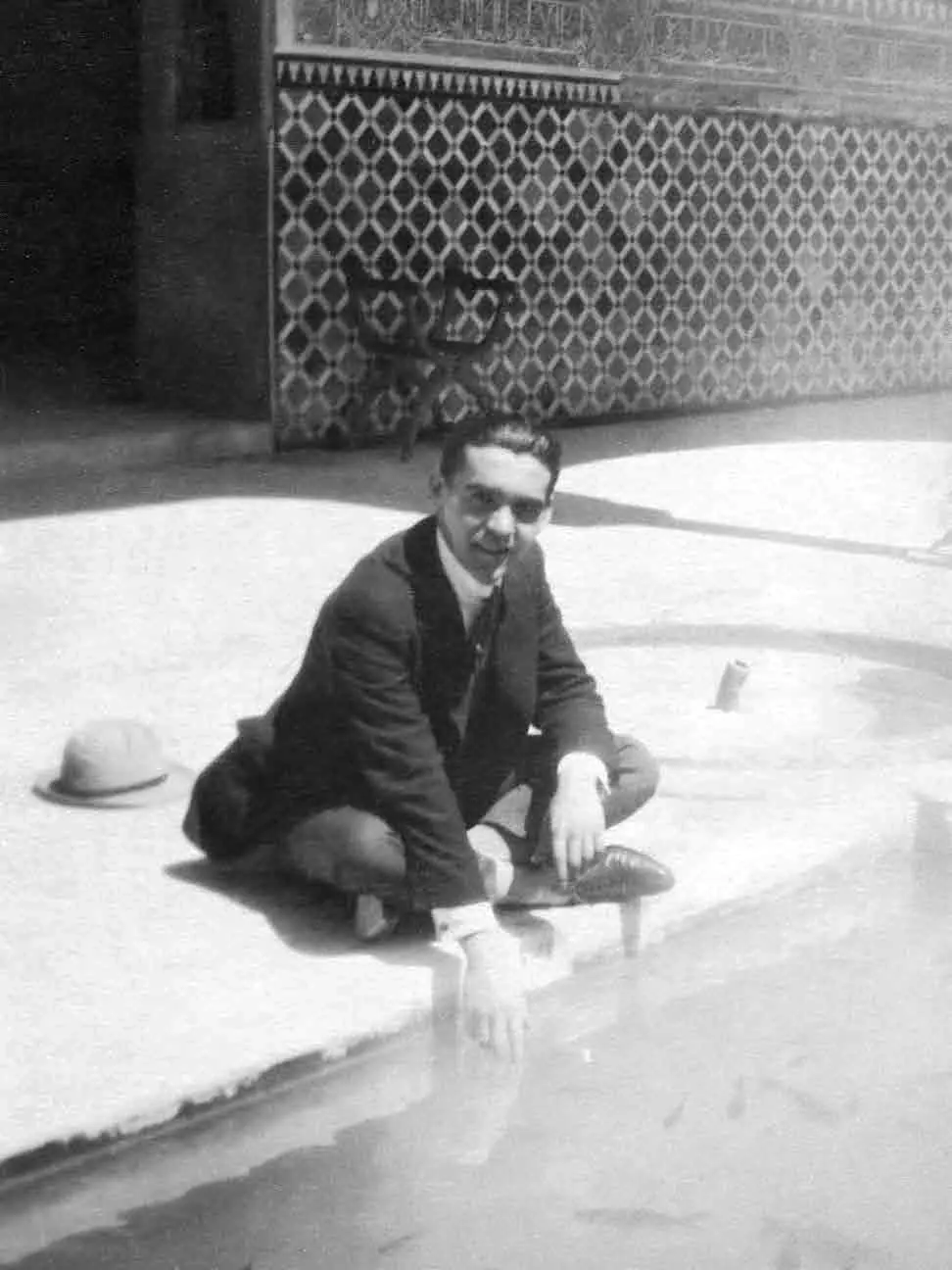
Falla lived in Granada from 1921 to 1939 and wrote the puppet opera El retablo de maese Pedro there in 1923. Lorca was born in Fuente Vaqueros, near Granada, in 1898. His family moved to the city in 1909, and he began writing the Poema del cante jondo in 1921. It was published in 1931. The two men were already working on flamenco when they promoted the contest.
What the contest achieved
Press coverage was largely positive and the event was counted a success in attendance and atmosphere. Falla was nonetheless dissatisfied, and the broader goal of restoring flamenco's purity was not met. The organisers' follow-up plans, including flamenco schools, collapsed. Recordings were made, interest in older cante was partly revived, and similar contests followed in Seville and Cádiz later that year. That mixed result is part of why the contest is still discussed.
What it means for an evening out today
A modern theatre show is not a reconstruction of that contest, and it does not claim to be. The link is the idea that flamenco is a serious art to be listened to. When you watch the song, the guitar and the dance in a Granada theatre, you are watching a tradition that the city has debated and defended for a century. You can read more about the contest's design and its place in flamenco history on Wikipedia's article on the Concurso de Cante Jondo.
Read next: Teatro Flamenco Granada tickets
Who this isn't for
This is history for the curious. If you only want to know which ticket to buy and when to arrive, the tickets guide will serve you better. If you want a walking route through Falla's and Lorca's Granada, use a dedicated literary guide, because this page covers only the contest and its connection to flamenco. It does not review the show itself or give any practical advice for your visit.
Frequently asked questions
When was the Concurso de Cante Jondo?
On 13 and 14 June 1922, during the Corpus Christi holiday, in Granada.
Who organised it?
Manuel de Falla was the principal organiser, and Federico García Lorca was the next most active promoter.
Where was it held?
In the grounds of the Alhambra, at the Plaza de los Aljibes, after an earlier plan for San Nicolás square.
Sources